Mont Blanc Treks May Soon Require Advance Booking: Managing Overcrowding on the Tour du Mont‑Blanc
Mont Blanc Treks May Soon Require Advance Booking: Managing Overcrowding on the Tour du Mont‑Blanc.
The Tour du Mont‑Blanc (TMB) — one of Europe’s most popular long-distance treks — stretches some 170 km across France, Italy and Switzerland and draws about 80,000 hikers a year. That popularity, however, is creating growing problems on the trail.
On the busiest sections of the Mont Blanc massif, hikers today are walking so tightly packed that there is almost no space between groups. Locals complain that not all visitors show respect for the environment, and many say the situation has become unacceptable. “Today everyone walks in a line; people only see the back of the person ahead of them. There is nothing good about that,” Jean‑Marc Peillex, mayor of Saint‑Gervais‑les‑Bains, told SRF. Peillex is calling for access restrictions to the route beginning next spring, backed by checks and sanctions to ensure compliance.
Saint‑Gervais‑les‑Bains sits on the French side of the Mont‑Blanc massif in the Haute‑Savoie department of the French Alps and serves as an important gateway for routes in the area. The French approach to the Tour du Mont‑Blanc also passes through this region.
Under the proposed measures, hikers would be required to reserve a place in a mountain hut or an officially designated bivouac zone to complete the circuit around Mont Blanc. A bivouac zone is a deliberately marked area where hikers or climbers can spend the night outdoors or pitch a tent; unlike a hut, such zones typically offer little or no infrastructure.
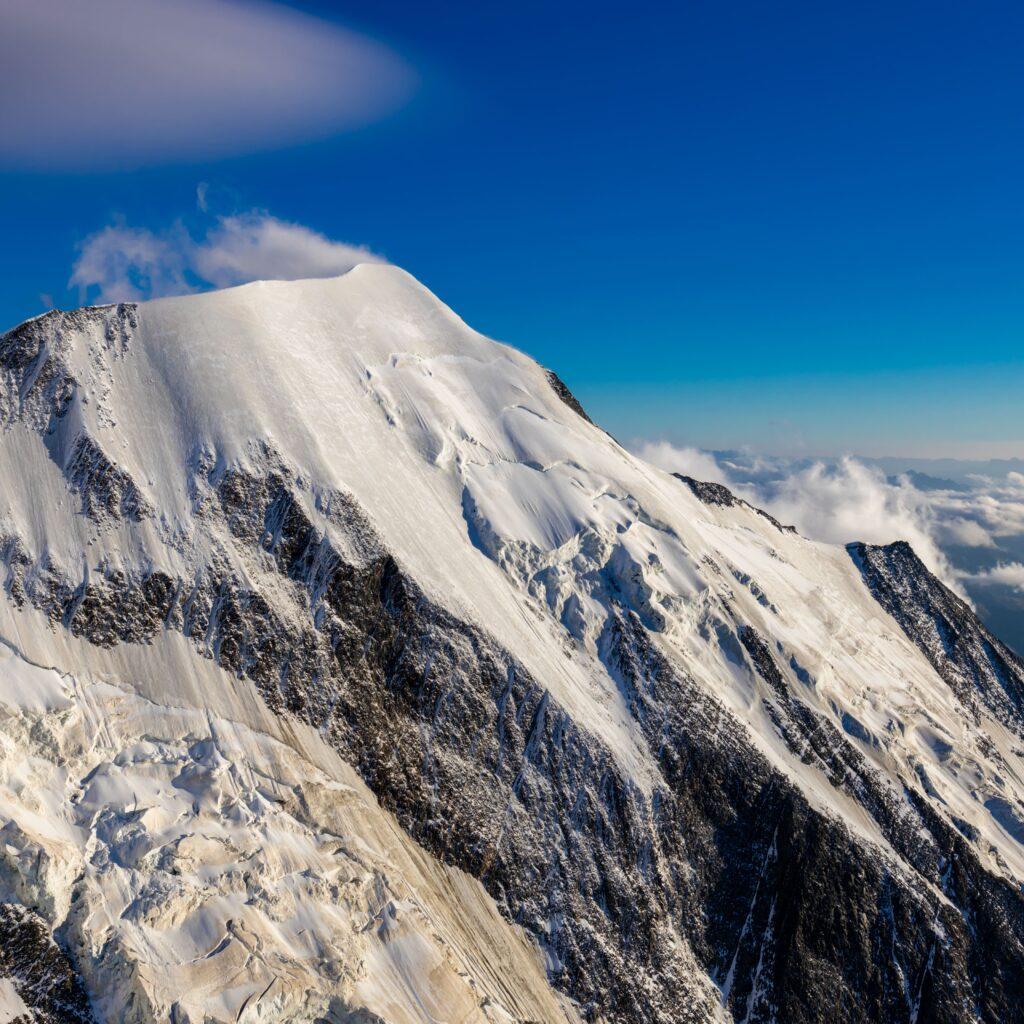
Only a small portion of the TMB passes through the Saint‑Gervais commune. Other communes along the French section are working together on the new regulation and aim to have it in force by next spring. One clear consequence of the influx of hikers is increasing pressure on mountain guides and accommodation. “You need to book hotels and huts a year in advance. For an independent guide this is nearly impossible,” says an independent mountain guide, noting that many private guides rarely have clients willing to plan a trip so far ahead.
Switzerland is leaning toward coordination rather than unilateral restrictions. Swiss authorities have not yet announced similar access limits. Joachim Rausis, mayor of Orsières in the Canton of Valais, acknowledges the need for action but does not describe the situation as severe. “There are signals, and we must put things in order. But first and foremost we need coordination between Switzerland, Italy and France,”
This debate highlights a fundamental dilemma in mountain tourism: how to reconcile the Alps’ international popularity with nature protection and the interests of local residents. Mandatory booking could slow visitor numbers, but it would also call into question the traditional notion that mountains are freely open to everyone.
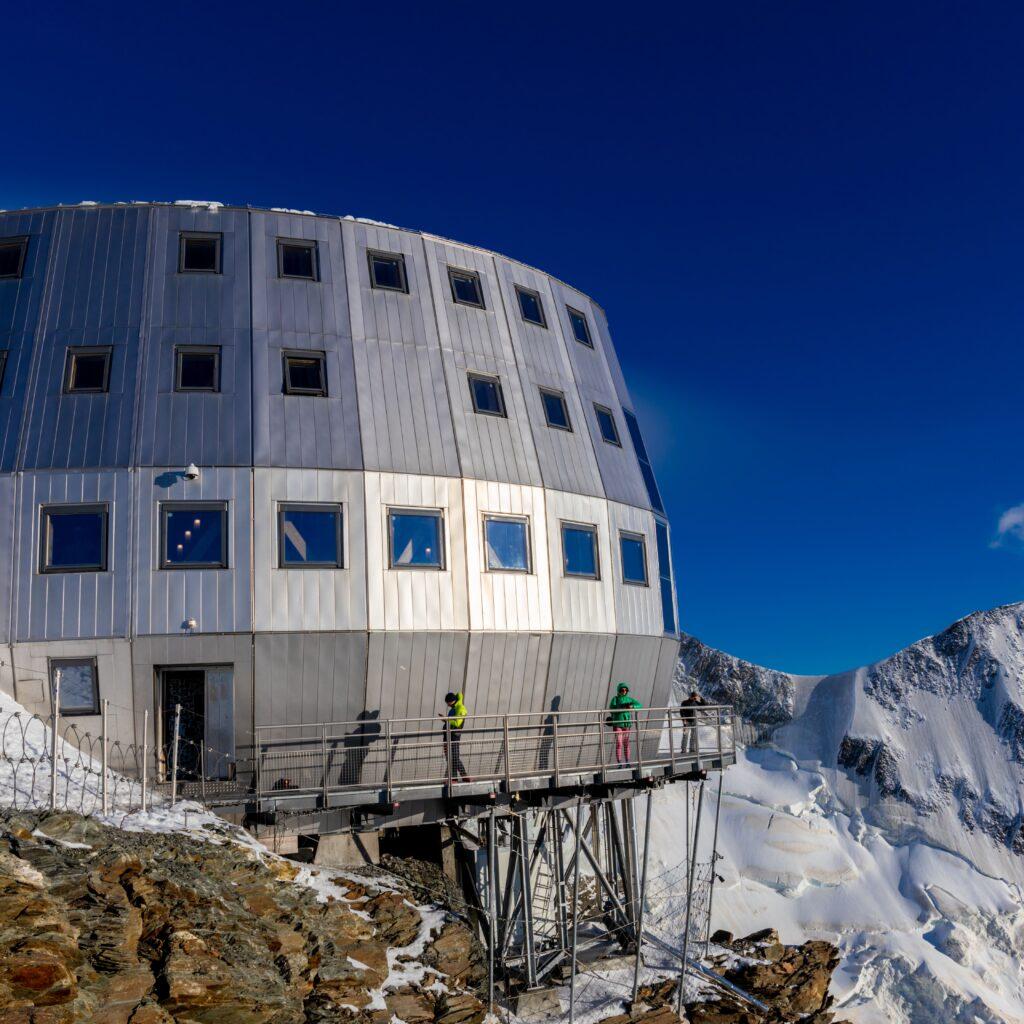
Mandatory reservations on Mont Blanc are not an entirely new idea. On the classic French ascent route, overnight stays at the Nid d’Aigle, Tête Rousse and Goûter huts already require booking through a special system. When reserving, hikers must provide the names of all participants, and reservation confirmations are checked on-site.
Notably, the Goûter and Tête Rousse huts—previously scheduled to open for the 2026 season—have been temporarily closed since 11 August 2026 due to rockfall risk.
As pressure mounts along the TMB, authorities, guides and local communities face a difficult balancing act: protect fragile mountain environments and residents’ quality of life, while preserving the accessibility and spirit of the mountains that draw hikers from around the world.